

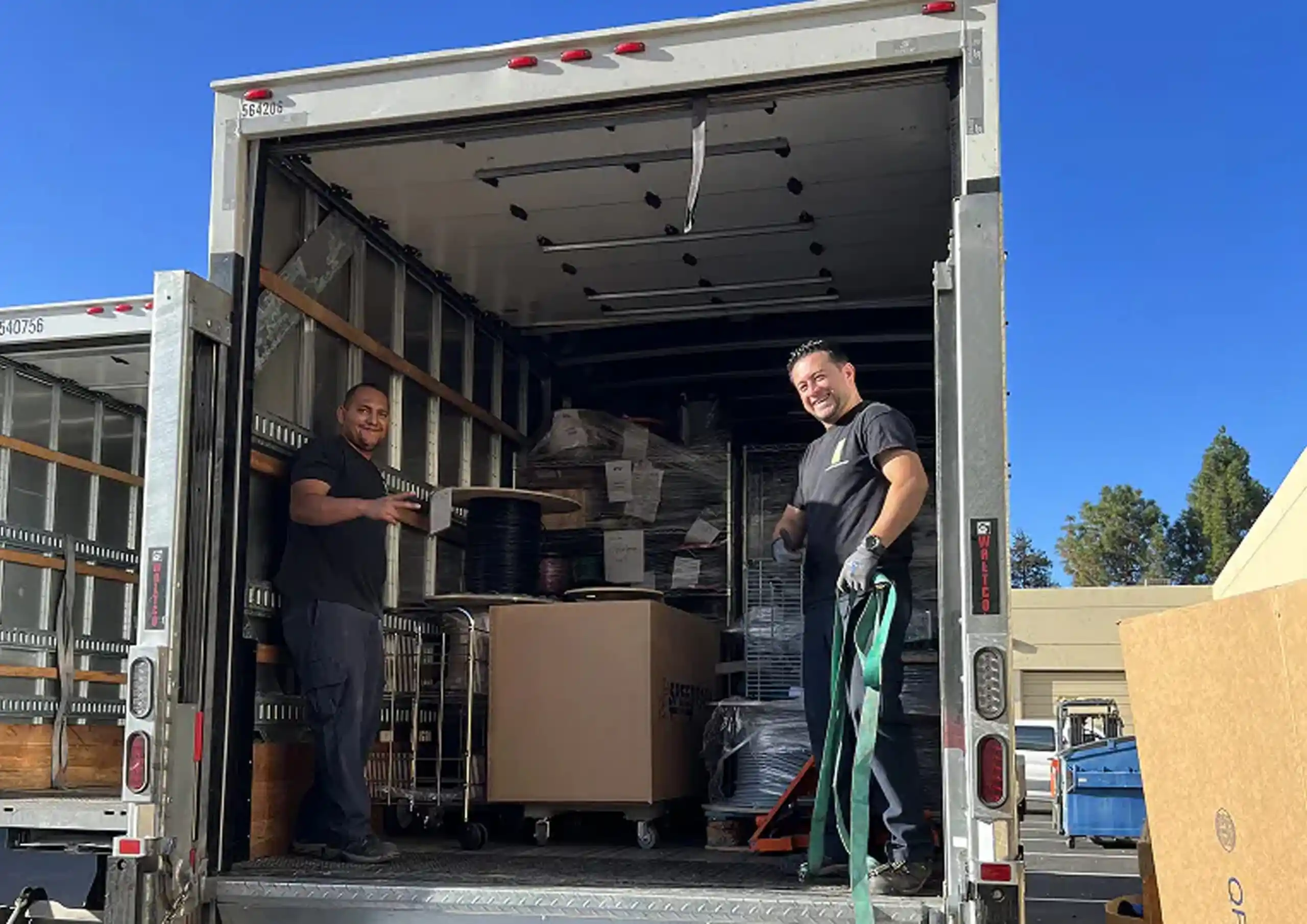
Moving into a new home is exciting — but the pile of boxes waiting for you on the other side? Not so much. Whether you just relocated across the Bay Area, moved from Sacramento to the Central Valley, or made a local jump within Dublin or Livermore, unpacking can feel overwhelming. The good news is that with the right unpacking tips, you can get settled in faster than you might expect.
Most people underestimate how long unpacking takes. Packing gets all the attention, but unpacking is where many moves stall. Boxes sit in corners for weeks, and that half-finished kitchen becomes a daily source of stress. However, a simple plan and a few smart strategies can change everything.
This guide walks you through practical, proven steps to unpack efficiently so you can start enjoying your new space sooner. Let’s get into it.
Start Before Moving Day
The fastest unpacking starts before a single box arrives. Preparation on the front end saves hours on the back end. If you have a floor plan of your new home, use it. Decide in advance where major furniture pieces will go in each room. This way, movers — or helpful friends — can place items in the right spot from the start.
Label Boxes with Purpose
Clear labeling is one of the most powerful unpacking tips available, and it costs nothing extra. Don’t just write “Kitchen” on the side of a box. Instead, write “Kitchen — Everyday Dishes” or “Bedroom 2 — Bedding.” The more specific the label, the faster you’ll find what you need.
Also, label boxes on the side, not just the top. When boxes are stacked, side labels are the only ones you can read. Additionally, consider using colored tape or markers — one color per room — so movers and helpers know exactly where each box belongs without asking.
Pack an “Open First” Box
Before moving day, set aside one clearly marked box — or a large bag — with everything you’ll need in the first 24 hours. Think phone chargers, toiletries, a change of clothes, coffee supplies, paper plates, and basic tools like a box cutter and screwdriver. This single step eliminates the frantic digging through random boxes on night one.
Unpack in the Right Order
Not all rooms are created equal when it comes to unpacking priority. Tackling rooms in the right sequence makes the process feel manageable rather than chaotic. Therefore, resist the urge to hop from room to room. Finish one space before moving to the next.
Bedrooms and Bathrooms First
Set up the beds and bathrooms before anything else. After a long moving day in the heat of Modesto or the fog of San Francisco, you need a place to sleep and a functional bathroom. Getting these rooms done first means you can rest and recharge — making the next day of unpacking far more productive.
For bedrooms, assemble bed frames, put on sheets, and hang any curtains or blinds needed for privacy. For bathrooms, stock the basics: toilet paper, soap, towels, and a shower curtain. Everything else can wait.
Kitchen Second
The kitchen is often the most time-consuming room to unpack. Because of this, tackle it second while your energy is still high. Start with everyday essentials — plates, cups, silverware, and a pot or two. You don’t need to organize every cabinet perfectly on day one. Get the functional items out first, then refine the organization over the following days.
If you’re moving to a new city like Tracy or Turlock where you’re still learning local grocery stores, having a functional kitchen from the start helps you avoid costly takeout while you get your bearings.
Living Areas and Secondary Rooms Last
Living rooms, dining rooms, home offices, and guest bedrooms can wait. These spaces are important, but they aren’t critical to daily function in the first few days. Moreover, waiting gives you time to think carefully about furniture arrangement and décor — decisions that are easier to make once the stress of moving has settled down.
Work Room by Room, Not Box by Box
One of the biggest unpacking mistakes is opening boxes randomly. You might grab a box from the garage, carry it to the living room, open it, realize it belongs in the office, and lose 20 minutes chasing down where things go. Instead, commit to fully unpacking one room before touching another.
Furthermore, move all the boxes for a given room into that room before you start opening any of them. This keeps your workflow tight and prevents items from scattering across the house.
Declutter as You Go
A move is a natural opportunity to declutter. As you unpack, create three piles or sections: keep, donate, and trash. If you find items you haven’t used in years or things that don’t make sense in your new space, let them go. This is especially true for Bay Area movers downsizing from larger homes in Walnut Creek or Pleasanton to smaller apartments in San Francisco or San Jose.
Decluttering as you unpack means fewer items to organize — and a cleaner, more intentional home from day one.
Use Smart Storage Strategies from the Start
How you organize as you unpack matters just as much as the speed at which you do it. Thoughtful storage decisions made early will save you reorganizing time later. For example, place frequently used kitchen items in the most accessible cabinets. Store seasonal or rarely used items up high or in harder-to-reach spots.
Don’t Leave Boxes “For Later”
The boxes you leave unpacked for “later” often sit for months. It’s a common pattern: the urgent rooms get done, and then life kicks in. Suddenly it’s three months post-move and half your garage is still packed. Set a firm goal — say, fully unpacked within two weeks — and stick to it. Break it down by completing one or two boxes per day if a full-room blitz isn’t realistic.
Consider Short-Term Storage for Extra Items
Sometimes a new home doesn’t have space for everything right away. If you’re waiting on a furniture delivery, renovating a room, or simply need breathing room, self storage can be a practical bridge. Rather than cramming every box into your new space and creating chaos, storing a few items temporarily keeps your home livable while you settle in at your own pace.
Involve the Whole Household
Unpacking doesn’t have to be a solo mission. Assign age-appropriate tasks to every family member. Kids can unpack their own toys and books with minimal guidance. Partners can tackle separate rooms simultaneously. Even having someone handle trash and broken-down boxes as you go makes a significant difference in how fast the space comes together.
On the other hand, if you’re unpacking alone or managing a large home, consider enlisting a friend or two for the first big push. Offer pizza and good company — most people are happy to help when asked.
Hire Professional Unpacking Help
If unpacking feels genuinely unmanageable — whether due to time, physical limitations, or the sheer volume of boxes — professional unpacking services are worth considering. Many people don’t realize that All Star Movers & Storage offers full-service packing and unpacking to make your transition as smooth as possible. Our experienced team can handle the heavy lifting and careful organization so you can focus on the rest of your move-in to-do list.
Final Tips for a Smooth Unpack
Here’s a quick summary of the most effective strategies to keep in mind:
- Prepare before moving day — label boxes by room and contents, and pack an “open first” kit.
- Prioritize essentials — bedrooms and bathrooms before kitchens; kitchens before everything else.
- Work one room at a time — finish completely before moving on.
- Declutter as you go — a move is the perfect reset.
- Set a deadline — avoid the trap of “I’ll do it later.”
- Ask for help — family, friends, or professionals can cut your unpacking time dramatically.
Finally, give yourself some grace. Even with the best plan, unpacking takes time. Every box you open is one step closer to feeling at home in your new space. Whether you’re landing in Danville, Castro Valley, Hayward, Mountain House, or anywhere else across the Bay Area, Sacramento, or the Central Valley, a methodical approach makes all the difference.
Moving is one of life’s biggest transitions — but it doesn’t have to be a prolonged ordeal. With smart unpacking habits and the right support, you can go from a house full of boxes to a home that feels like yours in no time.