

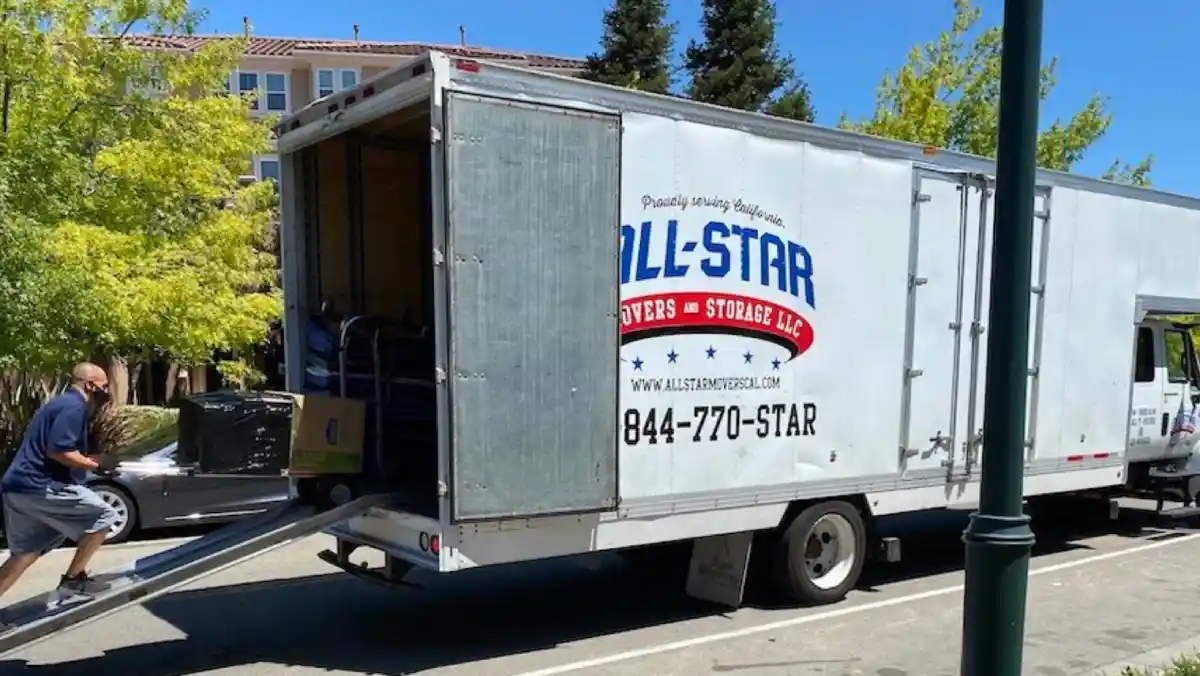
Moving large appliances is one of the most physically demanding and risk-prone parts of any home move. Refrigerators, washing machines, dryers, and dishwashers are heavy, awkward, and full of parts that can be damaged if not handled correctly. Whether you’re relocating across Dublin or moving from San Francisco to Sacramento, proper preparation makes all the difference.
Professional appliance moving services exist for a reason. The average refrigerator weighs between 200 and 400 pounds. A front-load washer can top 200 pounds on its own. Without the right equipment and technique, these items can injure movers and damage floors, walls, and the appliances themselves.
This guide walks you through everything you need to know about moving large appliances safely — from preparation and disconnection to loading, transport, and reinstallation. We’ve also included tips on when it makes sense to call in the professionals.
Preparing Your Appliances Before Moving Day
Preparation is the single most important step in a successful appliance move. Skipping it leads to water damage, refrigerant leaks, and broken components. Give yourself at least 24 to 48 hours before moving day to get everything ready.
Defrost and Clean Your Refrigerator
Start with your refrigerator. First, empty it completely and remove all shelves and drawers. Next, unplug the unit and let it defrost for at least 24 hours. Then, clean up any water pooling inside the freezer compartment. Leaving moisture inside can cause mold and mildew to develop during transport.
Additionally, secure the doors with moving straps or rope so they don’t swing open during the move. Tape a towel inside the door seal to absorb any remaining moisture. This small step prevents odors and interior damage.
Disconnect and Prep Your Washer and Dryer
Washing machines require extra attention before a move. Turn off the water supply valves behind the machine. Then disconnect the hot and cold water hoses and drain any remaining water from them. Most hardware stores sell washer transit bolts — these stabilize the drum during transport and prevent serious internal damage. If you no longer have the original transit bolts, replacements are usually inexpensive and worth every penny.
For gas dryers, always have a licensed professional disconnect the gas line. This is not a DIY task. Electric dryers are simpler — just unplug the power cord and secure it with a zip tie so it doesn’t drag. In both cases, clean the lint trap before moving day to reduce fire risk during reinstallation.
Prepare Your Dishwasher and Range
Dishwashers need to be fully drained before disconnection. Run a short cycle, then turn off the water supply and disconnect both the water line and drain hose. For gas ranges, again, hire a professional to disconnect the gas line safely. Electric ranges simply need to be unplugged. Remove all burner grates and oven racks and pack them separately in moving blankets or towels.
Gathering the Right Equipment
Moving appliances without proper equipment is how injuries and damage happen. A moving company investing in professional gear is one of the clearest signs they take safety seriously. If you’re handling the move yourself, you’ll need to rent or purchase the following items.
Essential Moving Equipment for Appliances
- Appliance dolly: Also called a hand truck, an appliance dolly has a reinforced frame and a strap to secure the unit upright. This is non-negotiable for refrigerators and washers.
- Moving straps: These distribute weight across your body and reduce strain on your back. They’re especially useful on stairs.
- Moving blankets: Wrap appliances in moving blankets to protect the exterior and prevent scratches on floors and walls.
- Furniture sliders: Place these under appliances to slide them across hardwood or tile without gouging the floor.
- Work gloves: Appliances have sharp edges. Always protect your hands.
- Tape and zip ties: Use these to secure cords, hoses, and doors during transport.
Renting an appliance dolly from a local hardware store typically costs between $10 and $25 per day. That small investment can prevent thousands of dollars in damage — or a trip to the emergency room.
Safe Techniques for Moving Large Appliances
Even with the right equipment, technique matters. Moving appliances safely is about working smart, not just working hard. Follow these steps to reduce the risk of injury and damage throughout the process.
Moving a Refrigerator
Refrigerators should almost always be moved upright. Laying them on their side can cause compressor oil to migrate into the refrigerant lines. If you must tilt one, keep it tilted for as short a time as possible and let it stand upright for several hours before plugging it back in.
To move a refrigerator safely, pull it away from the wall slowly using furniture sliders. Slide the dolly underneath the base, secure it with a moving strap, and tilt the dolly back slowly. Have a second person guide the top to prevent tipping. Roll it carefully to the truck and load it using a ramp — never lift a refrigerator up a steep truck ramp without a ramp and a helper.
Moving a Washer or Dryer
Because washing machines are top-heavy, they tip easily. Always use an appliance dolly with a securing strap. Confirm the transit bolts are in place before tilting the machine. Have one person on the dolly and one person steadying the top of the unit at all times, especially on stairs.
Dryers are generally lighter than washers. However, they’re still bulky and awkward. Use the same dolly-and-strap approach. Move slowly and communicate clearly with your helper throughout the process.
Moving a Range or Dishwasher
Ranges and dishwashers are typically slid out from their built-in positions. Use furniture sliders to protect the floor as you pull them forward. For ranges, be especially careful not to catch the power cord or gas line connection point on the floor or cabinetry. Once clear of the cabinet space, transfer them to a dolly for transport to the truck.
Loading Appliances Into the Moving Truck
Loading order matters on a moving truck. Appliances are among the heaviest items in your home. Therefore, load them first, positioning them along the walls of the truck near the cab. This keeps the weight centered and low, which improves driving stability.
Strap all appliances to the truck walls using ratchet straps. This prevents them from shifting or tipping during transport. Place moving blankets between appliances and the truck walls to protect both surfaces. Never stack boxes or furniture on top of a refrigerator — the weight can damage the compressor.
If you’re moving from the Bay Area to Sacramento or heading out to the Central Valley, keep in mind that highway driving involves higher speeds and more vibration than local moves. Double-check all straps before hitting the freeway.
Reinstalling Appliances in Your New Home
Arriving at your new home is only the halfway point. Reinstallation done poorly can lead to leaks, electrical issues, or appliance failure. Take the same care on the back end as you did during preparation.
Tips for Reinstallation
- Let your refrigerator settle: After moving, wait at least 2 to 4 hours before plugging in a refrigerator. If it was tilted during transport, wait closer to 24 hours. This allows the compressor oil to settle back into place.
- Check water connections: Before turning on the water supply to your washer or dishwasher, inspect all hoses for cracks or kinks that may have developed during the move.
- Test gas connections carefully: Have a licensed technician reconnect and test any gas appliances. Apply a soapy water solution to the connection points and watch for bubbles, which indicate a leak.
- Level your appliances: Most appliances have adjustable feet. Use a level to confirm each unit is balanced. An unlevel washer vibrates excessively and wears out faster.
- Run a test cycle: Before loading your washer with laundry, run an empty cycle and check for leaks at all connection points.
When to Hire Professional Appliance Moving Services
Sometimes the smartest move is calling in the experts. Professional appliance moving services are especially worth considering in these situations:
- You’re moving a refrigerator or washer up or down a staircase
- Your home has narrow hallways or tight corners
- You have gas appliances that need disconnection and reconnection
- You’re moving long-distance from the Bay Area to Sacramento or the Central Valley
- You don’t have a second person to help safely
- You have older appliances that are especially valuable or fragile
At All Star Movers & Storage, our team is continually trained in the latest moving equipment, techniques, and safety practices. We handle large appliances every day across Dublin, Livermore, Pleasanton, San Ramon, Hayward, Modesto, Sacramento, and beyond. We’re fully licensed and insured, and we treat every customer’s belongings as if they were our own.
Furthermore, we offer free moving quotes at competitive rates with free insurance coverage that protects your belongings during handling and transport. There’s no guesswork and no hidden fees — just experienced movers who know how to get the job done right.
Final Thoughts on Moving Large Appliances Safely
Moving large appliances doesn’t have to be a nightmare. With the right preparation, the proper equipment, and solid technique, you can relocate your refrigerator, washer, dryer, and range without injury or damage. The key is taking each step seriously and never rushing the process.
However, if any part of the process feels beyond your comfort level, don’t hesitate to bring in professionals. The cost of professional appliance moving services is almost always less than the cost of repairing a damaged appliance or treating a back injury. Plan ahead, stay safe, and reach out to our team if you need a hand with your next move.