

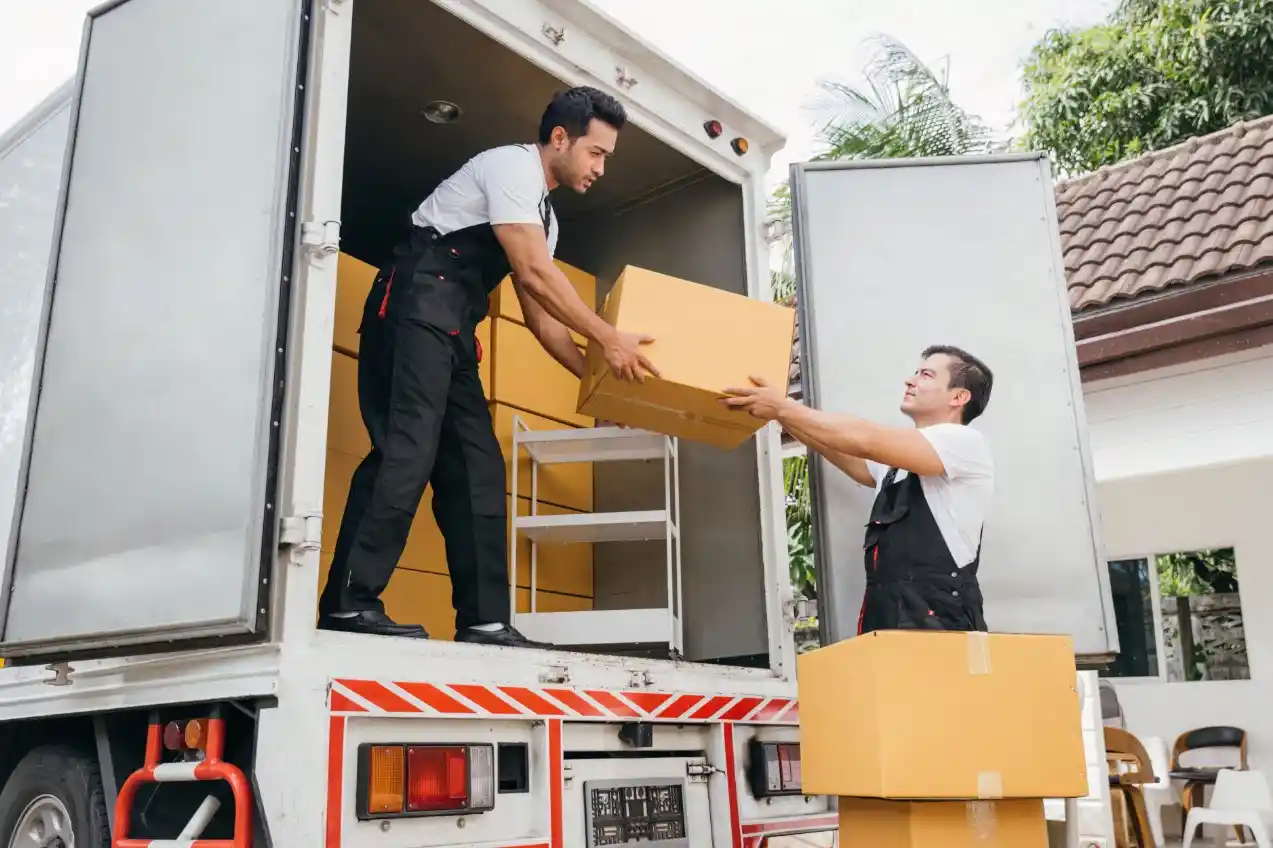
Moving is exciting, but it can quickly become stressful when things get damaged in transit. More often than not, the culprit is not the move itself — it is the packing. Making packing mistakes is easier than you might think, especially when you are rushing to meet a move-out deadline or trying to pack an entire home on your own.
Whether you are relocating across the Bay Area, moving from Sacramento to the Central Valley, or heading somewhere new entirely, how you pack your belongings makes a huge difference. Poorly packed boxes lead to broken items, wasted space, and a much harder moving day than necessary.
The good news is that most packing mistakes are completely avoidable. With a little planning and the right approach, you can protect your belongings and make your move run smoothly from start to finish. Below are the most common packing mistakes — and exactly how to avoid them.
Starting Too Late
One of the biggest packing mistakes people make is waiting too long to start. It is easy to underestimate how much time packing actually takes. A typical three-bedroom home can take anywhere from two to four full days to pack properly. That timeline does not account for sorting, donating, or making supply runs.
Starting late puts you in a rush. When you rush, corners get cut. Fragile items do not get enough wrapping, boxes get overfilled, and important documents get buried under kitchen utensils. As a result, moving day feels chaotic instead of organized.
How to Pace Your Packing
Start packing non-essentials at least three to four weeks before your move date. Think about items you rarely use — seasonal décor, extra linens, books, and hobby supplies. These can be boxed up well in advance without disrupting your daily routine.
Then, work room by room as your move date gets closer. Save daily essentials like toiletries, a few changes of clothes, and kitchen basics for the very last boxes you pack. Label those boxes clearly so they are the first ones you open.
Using the Wrong Boxes and Supplies
Not all boxes are created equal. Using old, worn-out boxes from the grocery store is a common mistake that leads to crushed items and collapsed loads. Grocery store boxes have already been compressed and weakened. They are not designed to stack under the weight of a full move.
Additionally, using boxes that are the wrong size creates real problems. Oversized boxes filled with heavy items like books or tools are difficult to carry safely and put stress on the bottom of the box. On the other hand, small boxes crammed with lightweight but bulky items waste space in the truck.
Choosing the Right Supplies
Invest in sturdy, purpose-built moving boxes in a variety of sizes. Use small boxes for heavy items like books and tools. Use medium and large boxes for lighter, bulkier items like pillows and bedding. For fragile items, use dish packs or double-walled boxes specifically designed for extra protection.
Beyond boxes, make sure you have enough packing tape, bubble wrap, packing paper, and markers on hand before you start. Running out of supplies mid-pack is a frustrating and avoidable setback. All Star Movers & Storage carries a full line of professional moving supplies, so you can get everything you need in one place.
Failing to Wrap Fragile Items Properly
Dishes, glasses, picture frames, and electronics are among the most commonly damaged items during a move. In most cases, the damage comes down to inadequate wrapping rather than rough handling. A single layer of newspaper is not enough to protect a wine glass bouncing around in a box.
Furthermore, placing fragile items loose in a box without padding between them is a recipe for breakage. Even short moves across town involve bumps, turns, and stops that shift box contents significantly.
The Right Way to Wrap Breakables
Use several sheets of packing paper or bubble wrap for each individual item. Wrap glasses from the base upward, tucking paper inside the opening as well. For dishes, wrap each plate individually and stack them vertically — not flat — inside the box. Stacking dishes flat puts the full weight of the stack on the bottom plate.
Always line the bottom of boxes containing fragile items with a thick layer of crumpled packing paper. Fill any empty space inside the box to prevent items from shifting. Finally, clearly mark every fragile box on the top and sides so movers know to handle them with extra care.
Overpacking or Underpacking Boxes
Overpacked boxes are heavy, hard to carry, and prone to breaking at the bottom. Underpacked boxes collapse when stacked, which crushes whatever is inside. Both extremes are among the most frequent packing mistakes movers encounter.
A good rule of thumb is that most boxes should weigh no more than 50 pounds when sealed. If you cannot comfortably lift a box on your own, it is too heavy. Meanwhile, if you can hear items rattling and shifting inside a sealed box, it is underfilled.
Balancing Weight and Space
When packing, distribute weight evenly. Place heavier items at the bottom of the box and lighter items on top. Fill empty gaps with crumpled packing paper, soft linens, or towels to keep everything in place. This simple technique prevents shifting and gives the box structural stability when stacked.
For extra-heavy items like hardcover books or tools, consider using smaller boxes and filling them only halfway. This keeps the weight manageable without leaving the box structurally weak.
Skipping Labels or Using Vague Ones
Unlabeled boxes are one of the most frustrating packing mistakes on moving day — and during unpacking. When every box looks the same, finding what you need becomes a scavenger hunt. This wastes time and adds unnecessary stress at both ends of the move.
Vague labels like “kitchen stuff” or “misc” are only slightly better. They tell you which room a box belongs to but give no insight into what is actually inside. When you are searching for your coffee maker on the first morning in your new home, “kitchen stuff” does not narrow things down much.
A Simple Labeling System That Works
Label every box on at least two sides with the destination room and a brief description of the contents. For example: “Kitchen — small appliances, toaster, blender.” This makes it easy for movers to place boxes in the right rooms and helps you prioritize which boxes to unpack first.
Color-coded labels or colored tape by room is another effective strategy. Assign a color to each room before you start packing. As a result, movers can quickly identify where each box goes without reading every label individually.
Not Disassembling Furniture Ahead of Time
Large furniture pieces that have not been disassembled ahead of time slow down the entire moving process. Bed frames, bookshelves, and large desks often cannot fit through doorways or down staircases without being taken apart first. Waiting until moving day to figure this out wastes time and can lead to scratched walls or damaged furniture.
Moreover, furniture that is disassembled packs more efficiently in the moving truck, freeing up space and reducing the number of trips required.
What to Disassemble in Advance
Focus on bed frames, large bookshelves, dining tables, and any flat-pack furniture. Keep all hardware — screws, bolts, and brackets — in a clearly labeled zip-lock bag taped directly to the furniture piece it belongs to. This prevents the frustrating experience of reassembling furniture only to find a missing bolt days later.
If you are not comfortable disassembling certain furniture, ask your moving team in advance. Professional movers are experienced with furniture disassembly and reassembly and can handle it efficiently on move day.
Forgetting to Pack an Essentials Box
No matter how well you pack, there will always be things you need immediately when you arrive at your new home. If those items are buried inside sealed, unlabeled boxes, your first night in your new place can be unnecessarily uncomfortable.
An essentials box — sometimes called an “open first” box — is one of the simplest and most effective packing strategies there is. Yet it is also one that many people skip entirely until they are standing in an empty house wondering where their phone charger went.
What to Put in Your Essentials Box
Pack one clearly labeled box per person or family that contains everything needed for the first 24 to 48 hours. This should include:
- Toiletries and medications
- A change of clothes and pajamas
- Phone chargers and power banks
- Snacks and a few basic kitchen items
- Bedding or a sleeping bag
- Important documents such as IDs, lease agreements, and moving contracts
- Any items your children or pets need immediately
Keep this box with you — not in the moving truck — so you have access to it the moment you arrive.
Let All Star Movers & Storage Help You Pack Right
Avoiding these packing mistakes can save you time, money, and a lot of unnecessary stress. But if you would rather leave the packing to the professionals, All Star Movers & Storage is here to help. As a locally owned and operated moving company with more than 20 years of experience serving the Bay Area, Sacramento, and the Central Valley, we know exactly how to pack belongings safely and efficiently for any type of move.
Our professional packing and unpacking services use high-quality supplies and proven techniques to protect everything from everyday household items to delicate antiques and specialty pieces. We are fully licensed and insured, and our team is trained in the latest packing and moving best practices.
Ready to get started? Contact All Star Movers & Storage today to request your free moving quote. We are available seven days a week and happy to answer any questions about our packing services, moving options, or storage solutions throughout the Bay Area, Sacramento, and the Central Valley.