

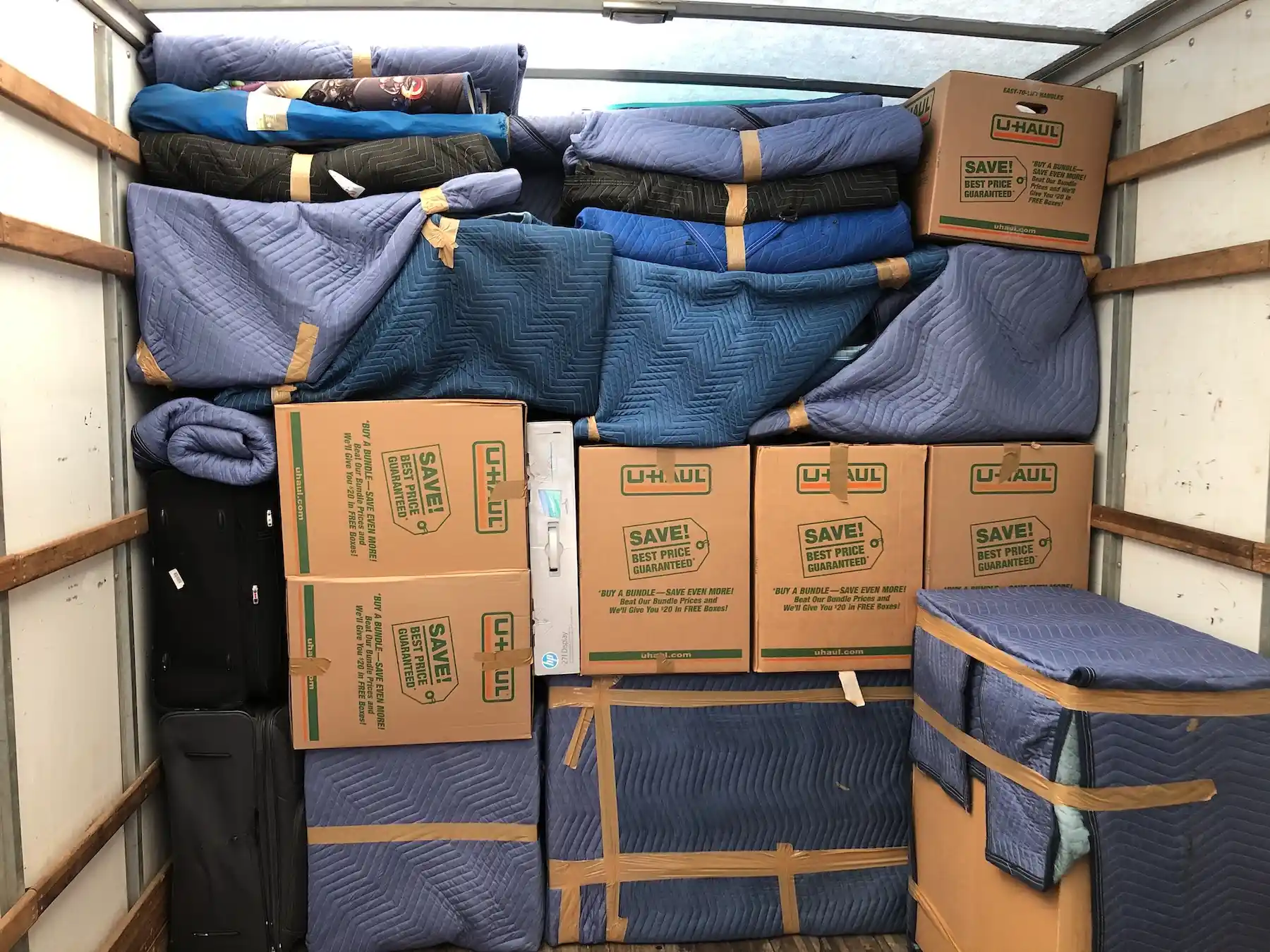
Moving is one of life’s most exciting milestones — and one of its most stressful. Whether you’re relocating across Dublin, heading to Sacramento, or making a long-distance move through the Central Valley, the difference between a chaotic move and a smooth one often comes down to one thing: a solid plan. That’s where moving timeline planning makes all the difference.
A well-built moving timeline keeps every task organized, prevents last-minute scrambles, and helps you stay calm from the moment you decide to move until the final box is unpacked. Instead of reacting to problems as they come up, you’ll be ahead of them.
This guide walks you through exactly how to build a stress-free moving timeline, no matter your move size, budget, or destination. Let’s get started.
Why a Moving Timeline Matters
Most people underestimate how much time a move actually takes. They pack the night before, forget to transfer utilities, and end up paying extra fees because they booked movers too late. A clear timeline prevents all of that.
Moving involves dozens of overlapping tasks — sorting belongings, hiring a moving company, packing room by room, updating your address, and coordinating logistics on both ends. Without a timeline, it’s easy to lose track of what needs to happen and when.
Additionally, the Bay Area, Sacramento, and Central Valley housing markets move fast. Lease end dates and closing timelines can shift on short notice. A flexible but detailed moving timeline helps you adapt without falling behind.
8 Weeks Before Your Move
Eight weeks out is the ideal time to start building your moving plan. This may feel early, but the earlier you begin, the more options you have — especially during peak moving season in the Bay Area, which runs from May through September.
Decide What’s Coming With You
Start by walking through every room and deciding what you’re keeping, donating, selling, or throwing away. This is called decluttering, and it’s one of the most impactful steps you can take. Moving fewer items means lower costs and less packing time.
Be honest about what you actually use. If something has been sitting in a closet for two years, it probably doesn’t need to make the trip to your new home.
Research and Book Your Moving Company
Eight weeks out is also the right time to start researching movers. Look for a company that is fully licensed, insured, and has a strong track record in your area. In California, reputable movers carry a CAL-T license issued by the California Public Utilities Commission.
Ask about flat rate moves, packing services, and short-term storage options — especially if there’s a gap between your move-out and move-in dates. Book early to secure your preferred moving date and avoid price spikes from last-minute availability.
6 Weeks Before Your Move
With your mover booked, it’s time to handle the administrative side of your move. This phase is less physical but just as important.
Notify Important Parties
Start notifying people and organizations about your upcoming address change. This list typically includes:
- Your employer’s HR department for payroll and tax documents
- Your bank and credit card companies
- Your health insurance provider
- The U.S. Postal Service for mail forwarding
- Subscription services like streaming platforms or magazines
- Government agencies, including the DMV and voter registration
The more thorough you are at this stage, the fewer loose ends you’ll need to chase down after you move.
Begin Gathering Packing Supplies
Now is a good time to start collecting boxes, packing tape, bubble wrap, and markers. You can purchase moving supplies directly from your moving company, which ensures you have the right sizes and quality for the job. Many people underestimate how many boxes they need, so it’s better to over-order and return what you don’t use.
4 Weeks Before Your Move
One month out, your focus shifts to packing and logistics. This is when the physical work really begins.
Pack Non-Essentials First
Start with items you rarely use — seasonal decorations, spare linens, books, and off-season clothing. Label every box clearly on the top and sides with both the contents and the destination room. This speeds up unloading significantly and helps your movers place boxes exactly where they belong.
For fragile items, use plenty of cushioning material and mark boxes as “Fragile” on all sides. Dishes should be wrapped individually and packed vertically, like records, to reduce breakage risk.
Arrange Utilities and Services
Contact your utility providers — gas, electric, water, internet, and trash — to schedule disconnection at your current home and activation at your new address. Try to schedule service to start one day before your move-in date. This ensures your new home is ready to go when you arrive.
Furthermore, if you have children or pets, now is a good time to arrange childcare or pet care for moving day. A calmer moving day environment reduces stress for everyone involved.
2 Weeks Before Your Move
Two weeks out, you should be well into packing and preparing for the final push. Use this time to finish loose ends and confirm your arrangements.
Confirm Everything With Your Movers
Reach out to your moving company to confirm the date, time, and any special instructions. Review the inventory of items being moved, especially large or specialty pieces like pianos, artwork, or antiques. Professional piano movers, for example, use specialized equipment and techniques that protect both the instrument and your home’s floors and doorways.
Also confirm parking arrangements at both your current home and your new address. In San Francisco and other dense Bay Area cities, this may require coordinating a parking permit with your city or HOA in advance.
Pack an Essentials Box
Before you pack your last box, set aside an essentials kit that travels with you — not on the truck. This should include:
- A change of clothes for each family member
- Phone chargers and important electronics
- Toiletries and medications
- Snacks and drinks for moving day
- Important documents like leases, IDs, and insurance cards
- Basic tools like a screwdriver for reassembling furniture
Having these items close at hand prevents frantic searching through boxes on your first night in a new home.
Moving Week: The Final Stretch
The week of your move is all about execution. Most of the heavy planning is behind you. Now it’s about staying organized and keeping things moving smoothly.
Finish Packing and Prepare Your Home
By the start of moving week, every non-essential item should already be packed. Use these final days to pack daily-use items — kitchen essentials, bathroom supplies, and bedroom basics. Clean out your refrigerator and pantry, donating or using up perishables you can’t transport.
Walk through your home and take photos of each room before the movers arrive. This creates a visual record of the condition of your belongings and the property itself. It’s a simple step that can save a lot of headaches later.
On Moving Day
On the day of your move, try to be ready before the movers arrive. Have all boxes sealed and labeled, furniture cleared of personal items, and pathways through the home clear and safe. The more prepared you are, the more efficient and affordable your move will be.
Stay available to answer questions and direct movers as needed, but let the professionals do their work. A experienced, well-trained moving crew will handle your belongings with care, using proper equipment and techniques to protect both your items and your home.
After the Move: Settling In
Moving day isn’t the end of the process — it’s the beginning of a new chapter. Give yourself permission to take the first few days slowly. Unpack room by room, starting with the kitchen and bedrooms so your home becomes functional as quickly as possible.
Meanwhile, follow up on any pending address changes you hadn’t completed before the move. Update your driver’s license and vehicle registration with the California DMV within 10 days of moving, as required by state law. Check in with your utility providers to confirm all services are active and properly billed.
Finally, if you have items in short-term storage, schedule a time to retrieve them once you’ve had a chance to assess your space and decide where everything belongs.
Let All Star Movers & Storage Handle the Hard Part
Building a great moving timeline sets you up for success. But even the best-laid plans benefit from experienced hands on moving day. All Star Movers & Storage has helped Bay Area, Sacramento, and Central Valley families and businesses move for more than 20 years. We’re locally owned, BBB accredited, fully licensed and insured, and available 7 days a week.
From packing and moving supplies to specialty moves and short-term storage, we offer everything you need under one roof — at competitive, transparent rates. We treat every customer’s belongings as if they were our own, and we back that up with free insurance coverage on every move.
Ready to take the next step? All Star Movers & Storage is here to help you plan and execute a smooth, stress-free move from start to finish. Reach out today to request your free, no-obligation quote.